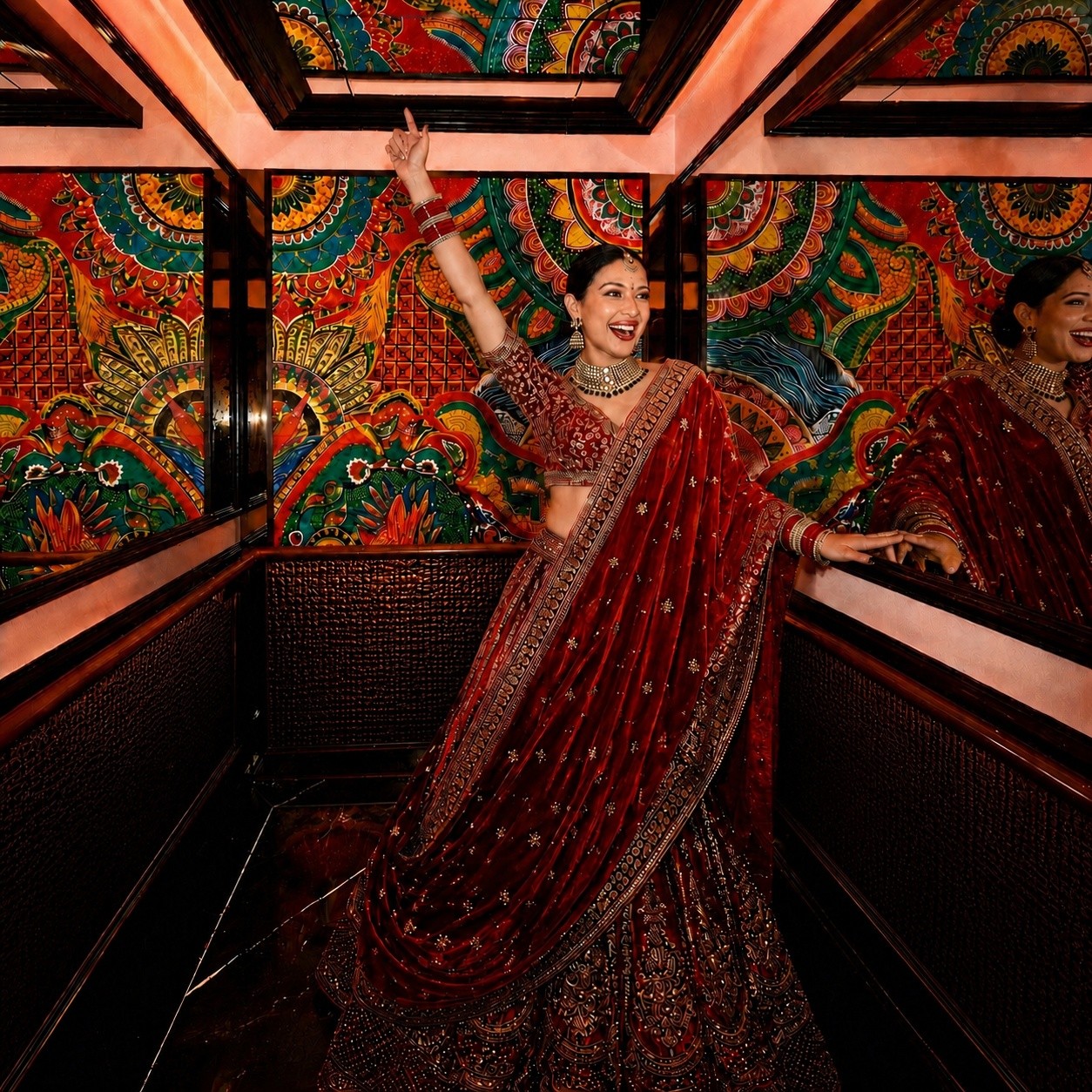
Celebration Design — Designing Weddings as Cultural Artifacts
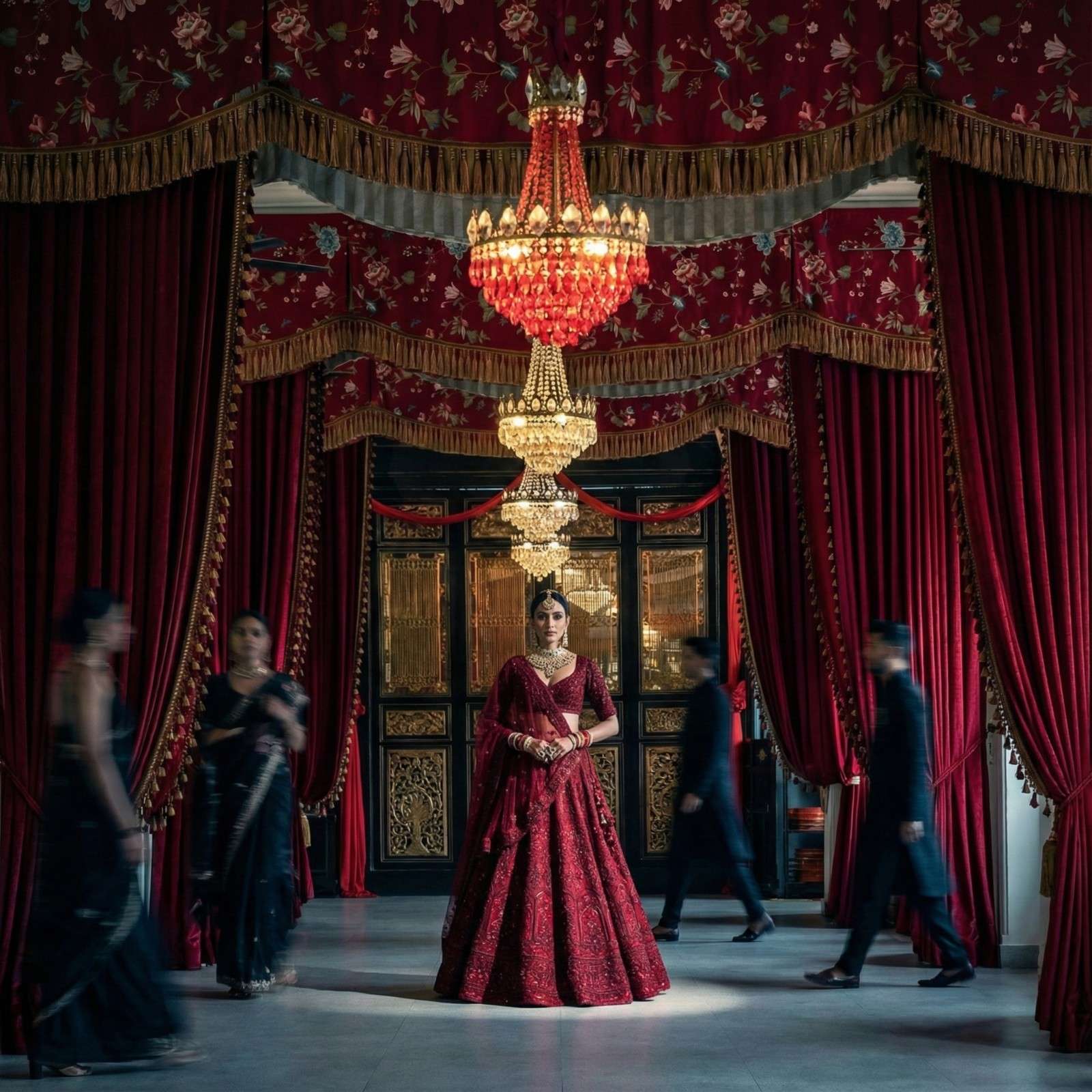
There is a particular kind of wedding that has emerged quietly over the past few years, one you might attend and struggle to describe afterward. Not because it lacks beauty or scale, but because it refuses the familiar vocabulary. The flowers are not abundant in the expected way. The colors do not announce themselves from a distance. There are no backdrops. The invitation a.rrived not as a boxed collection of objects but as a single bound document, typeset and considered, more editorial artifact than ornamental gesture. The weekend unfolds with a sense of authorial control that feels almost literary. Someone designed this, you think. Not decorated it. Designed it.
What distinguishes these celebrations is the presence of a guiding intelligence, a coherent point of view that shapes every surface, sequence, and symbol across multiple days. They feel like exhibitions. Like publications. Like carefully constructed arguments about identity, memory, and taste. They are the work of what is beginning to be understood as Celebration Design, a discipline distinct from wedding planning, event management, or décor coordination.
Where traditional planning concerns itself with logistics and execution, Celebration Design operates at the level of meaning and form. It applies the rigor of brand thinking, the vocabulary of visual culture, and the tools of narrative architecture to life's most significant gatherings. It treats weddings not as events to be managed but as cultural objects to be authored.
From Events to Artifacts
The Indian wedding industry has long been defined by a particular model: the planner as orchestrator, coordinator, problem solver. Someone who ensures the baraat arrives on time and the stage is lit correctly. This is valuable work. But it begins after the aesthetic and conceptual decisions have already been made, often by default, by referencing what weddings are supposed to look like.
Celebration Design inverts this sequence. It begins with questions that precede logistics: What is this wedding about? What does it mean to this family, this couple, at this moment in their lives? What story are we telling, and to whom? What should remain in memory afterward?
These are not abstract concerns. They produce tangible differences. A celebration designed rather than merely planned has a visual grammar that holds across every element. The typeface on the invitation reappears in the signage, the programs, the menus. The color palette is not a random collection of trending shades but a deliberate system, limited and disciplined, that creates rhythm and recognition. Materials, textures, proportions, even the pacing of events, all follow a single organizing logic.
Consider the difference between a stage covered in roses and a ceremony space where every flower has been chosen for its relationship to a family garden in Chandigarh, where the arrangement echoes the geometry of a grandmother's sari border. One is decoration. The other is design.
To understand Celebration Design fully, it helps to stop thinking about weddings as events and start thinking about them as artifacts. An event happens and ends. An artifact endures. It carries meaning. It can be studied, interpreted, remembered. The most thoughtfully designed weddings function this way: not just experienced in the moment but revisited through photographs that look like editorial spreads, through invitations that people keep, through details that lodge in memory because they meant something specific.
Systems, Not Trends
The language of conventional wedding planning is the language of trends. Millennial pink. Boho chic. Instagram worthy. These terms describe surface phenomena, not structural principles. They tell you what something might look like, not why it looks that way or what it means.
Celebration Design speaks a different language, borrowed from brand strategy and visual identity work. It talks about narrative architecture. About visual systems that scale across touchpoints. About typography as a carrier of tone and personality. About the difference between decoration, which is additive, and design, which is structural.
Instead of starting with venue options or color palettes, the work often begins with questions closer to a brand brief. Who are these people? What are their references, their histories, their affinities? What emotional territory should the celebration occupy: intimate, exuberant, solemn, playful, meditative?
From those conversations emerges a creative framework that functions like a brand guideline. A limited color system, often just two or three core hues. A typographic palette chosen for cultural resonance and emotional tone. A material vocabulary derived from something meaningful: a family textile, a regional landscape, a shared memory. These become the building blocks from which everything else is constructed.
Everything that follows, from save the dates to ceremony signage to thank you cards, is an expression of that system. Not rigid or formulaic, but coherent. Each element speaks the same visual language, carries the same tonal qualities, contributes to a unified experience that accumulates meaning across time.
Building a Celebration Identity
This is where Celebration Design most clearly distinguishes itself: in the construction of what might be called a celebration identity. Not unlike the visual identity of a fashion house or cultural institution, a celebration identity is a complete system of visual and verbal elements that define how the wedding looks, sounds, and communicates across every touchpoint.
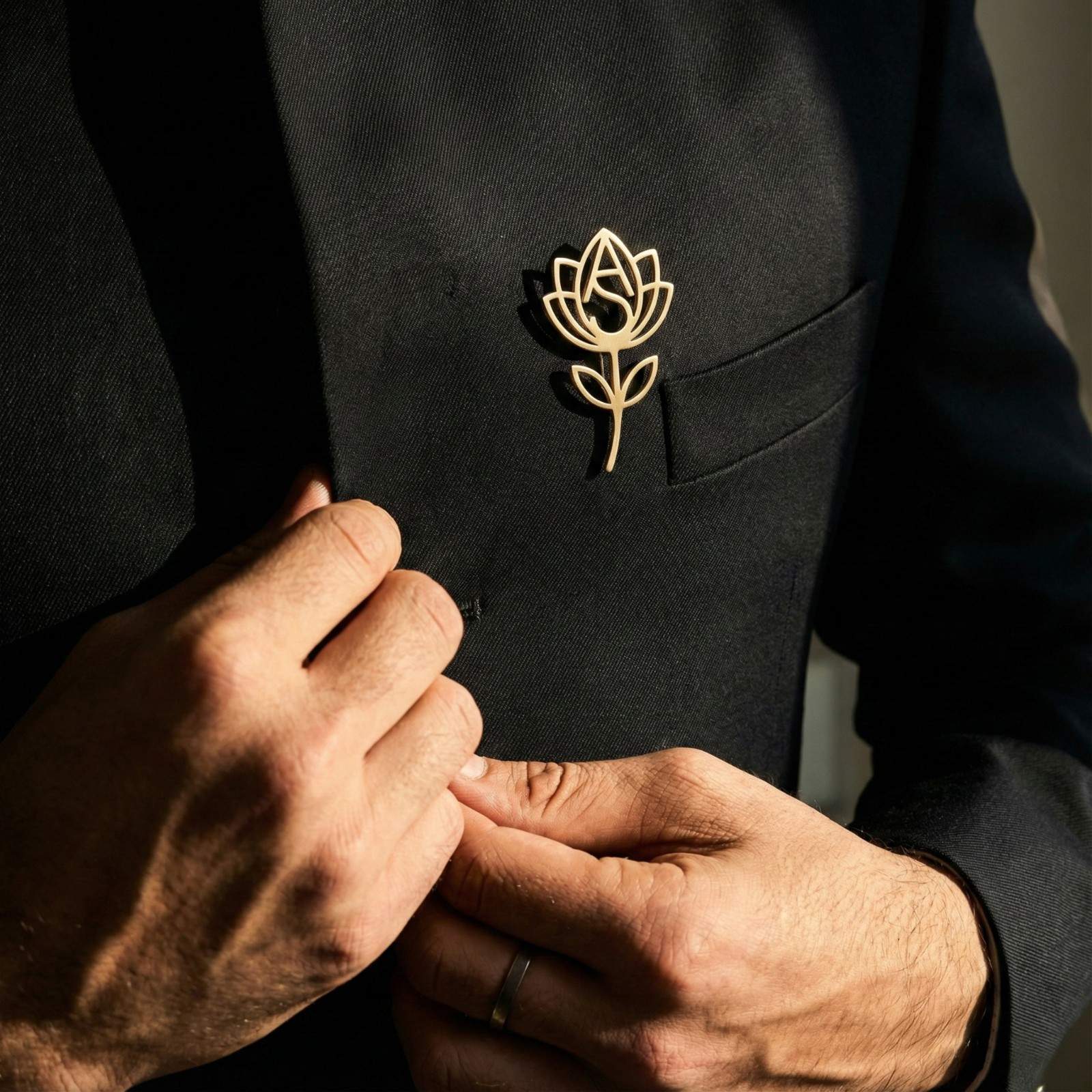
It begins with foundation work. A monogram or mark that carries the initials or names of the couple, designed not as mere ornamentation but as the anchor of the entire visual system. Typography chosen for its cultural resonance and emotional tone. A color palette derived from something meaningful. These become the building blocks from which everything else is constructed.
Stationery and guest communications become chapters in a larger narrative. The invitation is not a card but a considered object, something guests recognize as different the moment they open the envelope. It might arrive as a single folded piece, elegantly typeset, with paper stock chosen for its texture and weight. Or it might be a bound booklet that unfolds the story of how the couple met, illustrated with custom graphics that will reappear throughout the weekend. Menus, programs, place cards, welcome notes, all speaking the same language, all reinforcing the sense that this celebration has been thought through from end to end.
The digital experience extends this identity into the contemporary realm. A wedding microsite that does not merely list logistics but tells a story, designed with the same care as the printed invitations. Digital save the dates and RSVPs that mirror the visual language of the physical materials. Social content that moves through platforms with recognizable coherence, creating anticipation and memory in equal measure.
Where identity meets experience, spatial concepts begin to emerge. Not full production design, but the narrative and mood that will shape how spaces feel, how color and material and light will be deployed. This is the bridge between visual system and lived experience, the moment when design thinking begins to inform the physical environment guests will move through.
Presentable: Articulating the Discipline
What makes Presentable notable in this landscape is that the wedding design studio has articulated Celebration Design as a coherent practice. Founded at the intersection of brand design and celebration culture, Presentable approaches weddings with the same rigor and creative intelligence that defines its work for fashion brands and cultural institutions.
The studio builds celebration identities from foundation elements: monogram development, typography selection, color systems, material choices. These extend across invitation suites, digital experiences including microsites, wedding weekend stationery, spatial concept development, and post event memory books. The work draws from brand strategy, editorial design, and visual culture to produce celebrations that feel both contemporary and rooted, visually sophisticated but emotionally resonant.
Presentable is among the few studios in India articulating this work as a design category rather than a planning service, suggesting what becomes possible when weddings are treated with the same intellectual framework as any other form of cultural production.